Author Archives: mrutger@valveandmeter.com

Whether your existing water heater is going out or you’re looking for an efficient, modern upgrade, there are plenty of factors to consider when installing a new commercial water heater. Weighing your options carefully ensures you get the right system for your building’s needs, budget, and long-term efficiency.

In the latest guide from JAM Service Company, we’ll discuss some key factors to consider when choosing the best commercial water heater for your property. Contact us today to schedule an appointment for commercial water heater installation in Queens, NY.

Not all Commercial Water Heaters are Built the Same

Commercial properties come in different sizes and layouts, and their hot water needs vary just as much. A busy Queens restaurant requires a steady flow of hot water for dishwashing and cooking while a smaller office building may only need warm water for restrooms and breakrooms. 

The hot water needs of virtually every business will be different from the next, which is why there’s no one-size-fits-all solution when it comes to commercial water heaters. Finding the right system isn’t just about picking the biggest or most powerful option—it’s about choosing one that truly fits your business. 

With so many types, sizes, and technologies available, commercial water heaters are built to serve a range of needs, ensuring that businesses can operate smoothly without interruptions.

What to Consider When Installing a New Commercial Water Heater

Fuel Type 

Commercial water heaters are typically available in natural gas, propane, and electric models. Choosing the right fuel type depends on factors like energy costs, availability, and efficiency. It’s important to consider what fuel sources are already available in your building as installing new gas lines or upgrading electrical capacity can add to the overall project cost. 

Local utility rates can also impact long-term operating expenses, making it worthwhile to compare the cost of different energy sources in your area.

Performance and Efficiency

A water heater’s performance isn’t just about heating water—it’s about doing so efficiently to minimize energy waste. High-efficiency models use advanced insulation, condensing technology, or on-demand heating to reduce standby heat loss and lower utility bills.

Investing in an efficient system can lead to long-term savings, especially for properties with continuous hot water demand. The key is finding a unit that delivers the necessary performance without overusing energy.

Recovery Rate

Traditional water heaters have tanks that are constantly heating the water within to ensure it’s ready to use whenever you need it. The recovery rate measures how quickly the system can replenish hot water after it’s been used, which is especially important for businesses with high-demand periods. 

A unit with a slow recovery rate may struggle to keep up, leading to delays or interruptions in service. In contrast, a water heater with a high recovery rate can quickly reheat incoming water, ensuring a steady supply even during peak usage.

Flow Rate

For businesses using a tankless or on-demand water heating system, flow rate is a key factor. Measured in gallons per minute (GPM), flow rate determines how much hot water can be delivered at once. A system with too low a flow rate may struggle to keep up when multiple fixtures are in use, leading to inconsistent temperatures or interruptions.

Space Requirements

While often overlooked when it comes to installing a commercial water heater, the physical space the unit will take up is an important factor to consider. Large storage tank models require a dedicated area with enough clearance for installation, maintenance, and ventilation. If space is limited, a tankless system might be a better option since it can be mounted on a wall or installed in a more compact area.

Regulations and Rebates

Finally, consider the area’s building codes, safety regulations, and efficiency standards. Businesses throughout Queens may need to meet specific requirements for ventilation, gas line connections, and energy efficiency ratings. Failing to adhere to these regulations can result in fines or additional costs to bring the system up to code.

Some utility companies might also offer rebates and incentives for upgrading to energy-efficient models. Taking advantage of these programs can help offset the initial investment while reducing long-term operational costs.

At JAM Service Company, we understand that choosing a new commercial water heater can be an intimidating, stressful process. Our team of plumbers strives to make it as simple and easy as possible, providing expert advice and information to help you make an informed decision. Contact us today to learn more about your options. 

The Hot Water Your Building Needs

No matter your industry, having an uninterrupted hot water supply is crucial. Any amount of downtime can disrupt your daily operations and bring business to a halt. Upgrading to a new commercial water heater ensures your building has a reliable, efficient system that can keep up with demand. Whether you need high-capacity storage or an on-demand solution, the right system helps maintain smooth operations without unexpected shortages.

Investing in the right unit not only prevents disruptions but also improves energy efficiency, reducing long-term costs. With proper planning and professional installation, your new water heater will provide the steady, dependable hot water your business relies on every day.

Maintaining and Protecting Your New Water Heater

Just like the majority of systems and appliances within your commercial property, water heaters can benefit from regular inspections, maintenance, and flushings. Traditional water heaters and tankless water heaters alike experience extensive usage that can lead to sediment buildup, corrosion, and wear over time. Regular maintenance helps to mitigate and potentially prevent issues like reduced efficiency, inconsistent water temperatures, and unexpected breakdowns.

Flushing the system periodically removes mineral deposits that can accumulate inside the tank, improving performance and extending the lifespan of the unit. Checking components such as pressure relief valves, anode rods, and heating elements can also prevent small problems from escalating into costly repairs.

Work With JAM Service Company for Commercial Water Heater Services in Queens

At JAM Service Company, we proudly offer services for commercial water heaters in Queens, NY. From replacements and brand-new installations to repair and maintenance, our experienced team can help with it all to ensure your property can always access a steady supply of hot water.

Give us a call or contact us online today to schedule your appointment in Queens and across the Five Boroughs of New York City. 
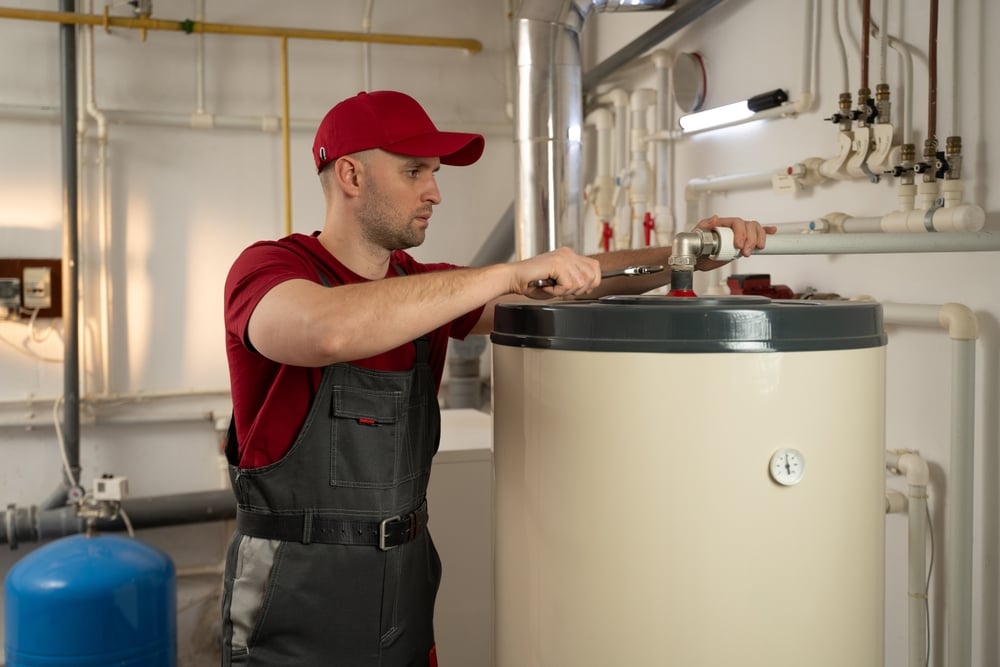
Commercial water heaters are significant investments for any business in Queens, and their lifespan plays a crucial role in budgeting, efficiency, and daily operations. You want your water heater to last as long as possible, but like any system, they have limited lifespans and eventually will need to be replaced to maintain a steady supply of hot water.

Understanding the typical lifespan of commercial water heaters—and what you can do to extend it—can help you plan ahead and avoid costly disruptions. Read the rest of our guide below to better understand the average lifespan of commercial water heaters, factors that affect these systems’ lifespans, and how you can maximize the performance of your system.

Factors That Affect Water Heater Lifespans

Usage and Water Demands

The most significant factor as it pertains to your water heater’s lifespan is the amount of hot water your building uses. The more frequently your system cycles to meet the demands of your Queens area business, the more wear and tear it experiences over time. 

High-demand environments, such as restaurants, hotels, and medical facilities, put significant strain on commercial water heaters, causing components to wear out faster than those in lower-usage settings. Constant operation can lead to overheating, increased sediment buildup, and stress on heating elements or burners, all of which contribute to premature system failure.

Water Quality

The quality of your property’s water can also play a role in the lifespan of your water heater. Buildings with lower-quality water can contain contaminants that accelerate wear and tear on the system, leading to reduced efficiency and a shorter lifespan.

Hard water in particular, which contains high levels of calcium, magnesium, and other minerals, can cause sediment buildup inside the tank or heat exchanger, leading to a range of performance issues. As these minerals accumulate, they create an insulating layer that forces the heating elements or burners to work harder, increasing energy consumption and putting additional stress on the system.

Maintenance Frequency

It’s true for your HVAC system, commercial plumbing appliances, and commercial water heater; they all need regular maintenance to keep them working at their best. During a maintenance appointment, necessary tweaks and adjustments will be made to ensure your equipment is operating efficiently and safely. This can include cleaning components, checking for wear and tear, tightening connections, and testing system performance.

Systems that don’t receive regular maintenance are more susceptible to issues that can shorten your water heater’s lifespan. Keeping up with scheduled maintenance not only extends the lifespan of your equipment but also helps maintain energy efficiency, lower utility costs, and ensure compliance with safety regulations.

Type of System

There are various types of water heaters available. Some run on natural gas or propane, and others use electricity. Some are traditional systems with storage tanks attached, while others are tankless. Each type of system operates differently, which affects its efficiency, maintenance needs, and overall lifespan.

The type of system you have plays a direct role in how long it will last, with proper maintenance and usage patterns influencing whether it reaches its full expected lifespan or requires premature replacement.

Quality of the Installation

Commercial water heaters that were properly installed typically have longer lifespans than poorly installed ones, as they don’t have to work as hard to create, maintain, and efficiently deliver hot water. A well-installed system ensures that all components, from gas lines and electrical connections to ventilation and piping, are correctly set up and functioning as intended.

Ensuring that your new water heater is installed by experienced professionals, like the plumbers at JAM Service Company, helps maximize efficiency, prevent costly repairs, and extend the overall lifespan of the unit.

The Average Lifespan of Commercial Water Heaters

Now that you know about the factors that can affect the lifespan of your commercial water heater, how long can you expect your system to last before needing to replace it? On average, traditional commercial water heaters last between 8-12 years, while tankless models last between 15 to 20 years.

Tankless models typically have longer lifespans due to their on-demand heating design, which reduces wear and tear on components since they don’t store and continuously reheat water like traditional tank systems. Traditional storage tank water heaters, on the other hand, experience more strain due to constant heating cycles and potential sediment buildup, which can shorten their lifespan if not properly maintained.

It’s important to note that these lifespans are not guaranteed—regular maintenance certainly helps to eliminate potential problems and extend the life of your commercial water heater, but factors like usage, water quality, and system demands can all impact how long it lasts. Proactive care, including routine inspections and timely repairs, can prevent unexpected breakdowns and keep your system running efficiently.

How Often Do Commercial Water Heaters Need to be Repaired?

It’s somewhat common for commercial water heaters to require repairs every few years, especially in high-demand environments where they experience nearly constant use. Commercial water heater repair frequency can vary significantly based on the factors above, including water quality, system type, maintenance habits, and overall usage.

Common repairs, such as replacing thermostats, pressure relief valves, or anode rods, are typically straightforward, but repeated breakdowns may indicate that the system is nearing the end of its lifespan. If your water heater requires repairs multiple times a year or struggles to keep up with demand, it may be more cost-effective to consider a replacement rather than continue investing in frequent fixes.

When it’s Time to Replace a Water Heater

Paying close attention to your water heater and keeping yourself aware of common replacement signs can help you replace the system before you’re completely left without access to hot water. Some signs that it’s time to replace your water heater include:

  • Frequent Repairs: As mentioned above, occasional water heater repair services are nothing to be concerned with. This is somewhat normal and expected throughout the lifespan of your water heater. If you need to schedule a water heater repair every few months, however, it could be a sign that your system is reaching the end of its lifespan.
  • Rising Energy Bills: When you begin to see energy bills begin to rise, your water heater could be at fault. As a water heater struggles to efficiently heat your water, it’ll consume more energy to maintain the desired water temperature, leading to higher utility costs.
  • System Breakdown: Being stuck without hot water is a property owner or manager’s worst nightmare. It can bring daily operations to a standstill and lead to upset customers. Many times, this is an issue that requires a complete replacement. 
  • Rusty Water: Orange or brown water is a sign that the inside of your water heater could be corroding, affecting your water supply. Flushing the system or replacing the anode rod may temporarily resolve the issue, but persistent rust-colored water is often a sign that a replacement is needed before a major failure occurs.
  • Age: If your system is approaching the upper end of its expected lifespan—8 to 12 years for traditional storage tank models and 15 to 20 years for tankless systems—it may be time to start planning for a replacement.

Choose JAM Service Company for Commercial Water Heater Installation and Replacement in Queens

JAM Service Company provides commercial water heater service in Queens, NY, and the surrounding Five Boroughs of New York City. If your water heater isn’t working properly, give us a call to ensure your business operations continue uninterrupted and your customers and employees alike have reliable access to hot water. 

Our experienced technicians specialize in commercial water heater installation, replacement, and maintenance, ensuring your system runs efficiently and meets your business’s needs.

As new plumbing technology is developed, older technologies typically start to be replaced due to inefficiencies, safety concerns, or changes in local codes. Some commercial properties replace outdated materials faster than others depending on the age of the building and the frequency of inspections. 

Many properties across Manhattan are older and still rely on aging plumbing systems that may no longer meet modern safety or performance standards. Upgrading older systems with more modern options can reduce maintenance costs and improve efficiency while keeping your tenants, employees, or customers safe and happy. 

Here are some outdated plumbing materials and systems that should be replaced as soon as possible. 

Galvanized Steel Pipes 

Commonly used in commercial properties until the 1960s, galvanized steel pipes typically corrode from the inside over time. This opens the door to rust buildup that restricts water flow and produces rusty, discolored, and unpleasant water. As corrosion worsens, the pipes become prone to leaks and bursts, increasing the risk of water damage and costly repairs.

Commercial properties in Manhattan typically have fairly high water demands, putting even more pressure on aging plumbing systems. Corrosion, combined with heightened water usage, creates the perfect storm for frequent clogs, weak water pressure, and sudden pipe failures. In older buildings, this can mean significant water disruptions that impact daily operations and lead to emergency repairs. 

Modern alternatives to galvanized steel pipes include copper or PEX pipes, which can improve water flow, improve overall reliability, and prevent unexpected breakdowns. 

Lead Pipes 

Lead is a material that has largely been phased out due to the serious health risks associated with it. In fact, lead pipes were banned in Manhattan in 1961. However, some older Manhattan properties may still have sections of lead plumbing, especially in service lines. Even small amounts of lead exposure can cause significant health issues, making this an urgent issue for property owners. 

If your property still has pipes containing lead, have them replaced immediately. Delaying replacement can put tenants, employees, and customers at risk of lead exposure. 

Replace any lead pipes, fittings, or solder with copper or PEX to ensure clean, safe drinking water. Proactively upgrading your plumbing system not only improves safety and compliance but also protects your building from costly liabilities down the line. 

Polybutylene Pipes 

Originally introduced and installed as an inexpensive alternative to copper pipes, polybutylene pipes are much more prone to cracking and failing than other types of pipes. This is because polybutylene degrades when exposed to disinfectants like chlorine, which are commonly found in municipal water supplies. Over time, the pipes become brittle and prone to sudden leaks or bursts, leading to significant water damage and costly repairs. 

Manhattan properties built from 1970-1990 are the most likely properties to use polybutylene pipes as it was a fairly popular option during that period. However, they were eventually discontinued due to their high failure rates. 

Again, PEX and copper pipes provided reliable upgrades. These materials resist chemical degradation and can handle high water demand without cracking. 

Combined Sewer Systems 

Some older properties in Manhattan still use combined sewer systems. These were instituted as a cost-effective way to manage both stormwater and sewage through a single pipeline, but during heavy rainfall, they can become overwhelmed. This can lead to backups that send sewage into basements, streets, and sometimes even into the building’s plumbing

Manhattan properties that are still using combined sewer systems should consider switching to a separate sewer and stormwater system to reduce the risk of backups and flooding. If a full system overhaul isn’t feasible, properties can also benefit from adding backflow preventers, sump pumps, and drainage upgrades designed to divert excess water. 

Older Water Heaters 

No matter the industry, hot water is non-negotiable. Customers, employees, and tenants alike deserve a steady supply of hot water, whether it’s for cleaning, personal hygiene, operations, cooking, or any other use. Relying on an old, inefficient water heater puts your property at risk of slow recovery times, inconsistent temperatures, or even a complete lack of hot water. 

In a commercial setting, you can’t afford to be without hot water for an extended period. Your business operations could grind to a halt without it, leading to unhappy tenants, dissatisfied customers, and potential revenue losses. Older water heaters are also more prone to breakdowns and may fail to meet modern energy efficiency standards, causing you to spend more on energy bills and repairs. 

Replacing your outdated water heater with a newer model ensures a steady supply of hot water, reduces operating costs, and minimizes the risk of unexpected downtime, keeping your property running smoothly. 

Schedule Commercial Plumbing Services in Manhattan with JAM Service Company 

JAM Service Company proudly provides Manhattan businesses with professional commercial plumbing solutions. When the time comes to upgrade your older plumbing systems, give us a call or contact us online! We’ll provide you with the time, attention, and service that your commercial property deserves. 

Even if your plumbing systems are working just fine, if your building relies on outdated systems and technology, making replacements now can save you from costly repairs, water damage, and potential code violations down the line. 

Brooklyn has been a hub of culture, innovation, and resilience for generations. Many of its buildings have stood the test of time and have been around for decades. While their exteriors boast historic charm and timeless craftsmanship, the internal systems—especially the plumbing—may be showing their age. 

If your commercial property in Brooklyn is using outdated plumbing materials, you could be dealing with hidden issues that threaten your building’s long-term reliability. Here are some outdated plumbing materials you should replace in your Brooklyn building as quickly as possible.

Outdated Pipes 

Galvanized Steel Pipes 

Widely used in commercial properties until the 1960s, galvanized steel pipes used to be highly regarded due to their overall strength and durability. As they age, though, they’re extremely prone to corrosion. As pipes corrode, rust forms inside the pipe that can restrict water flow, cause poor water pressure, and create discolored water. 

Modern replacements like copper, PEX, or CPVC are corrosion-resistant and provide consistent, reliable water flow. Proactively replacing galvanized steel pipes not only helps avoid emergencies but also ensures your building’s plumbing system can meet the demands of modern use while providing clean, safe water. 

Lead Pipes 

Lead pipes should be replaced immediately. Banned in the 1960s due to health issues, some older buildings in Brooklyn may still have lead pipes. Even small amounts of lead in drinking water can cause serious health problems, especially for children and pregnant individuals. Long-term exposure to lead has been linked to developmental delays, neurological damage, and kidney issues. 

Replacing lead pipes with safer materials like copper or PEX is essential to ensure the health and safety of everyone who relies on your building’s water. Modern materials not only eliminate the risk of lead contamination but also improve water quality and help maintain compliance with local codes and health standards. 

Polybutylene Pipes 

Plenty of buildings in Brooklyn and across New York City have polybutylene pipes installed as they were originally viewed as a cost-effective alternative to copper. These pipes were popular from the 1970s to the 1990s, so if your building was built or had renovations during these decades, there’s a chance polybutylene pipes were used. 

Unfortunately, they’re prone to failure due to their sensitivity to common chemicals in treated water, like chlorine. The longer they’re exposed to these chemicals, the greater the risk of the pipes becoming brittle and cracking. Over time, this can lead to sudden leaks or even complete bursts, causing water damage that may require extensive repairs. 

Again, we recommend switching your polybutylene pipes to copper or PEX alternatives. These are designed to handle chemical exposure and high water demands.

Combined Sewer Systems 

Older Brooklyn properties might use combined sewer systems as a cost-effective way to handle stormwater and wastewater at the same time. The idea behind combined sewer systems is practical and fairly efficient during dryer seasons. 

However, during heavy storms and rainier seasons, the combined flow of sewage and stormwater can overwhelm the system’s capacity, leading to dangerous and costly sewage backups. This can result in contaminated water flooding basements, streets, and indoor spaces, creating health hazards and causing extensive property damage. 

Switching to a single separated system or installing upgrades like backflow preventers and sump pumps can help prevent sewage from flowing back into your property during storms. 

Outdated Water Heaters 

Commercial properties often have high hot water demands, and that can put significant strain on aging water heaters. If your water heater is approaching 15 years of age or is becoming increasingly inefficient, it may be time for a replacement. Older water heaters are prone to sediment buildup, which reduces their capacity and forces them to work harder to produce hot water. This can lead to slow recovery times, fluctuating water temperatures, and higher energy bills. 

From restaurants to retail buildings and everything in between, a consistent hot water supply is essential for smooth operations. A failing water heater can disrupt daily activities, lead to tenant complaints, and even result in health code violations in industries like hospitality and food service. 

Upgrading your water heater to a newer and more efficient model can save you time and money while preventing a breakdown that you can’t afford to experience. 

Upgrade Your Plumbing Systems With JAM Service Company 

Give JAM Service Company a call for commercial plumbing services in Brooklyn, NY. Our team takes the time to fully understand your needs to ensure we provide you with the best possible solution. 

Contact us today to get started. 

Commercial and residential properties are different in countless ways. Commercial properties are typically much bigger than residential properties and require more complex plumbing systems, while residential properties are designed to meet the needs of smaller households with simpler plumbing systems. The same principle applies to their water heaters.

Ensuring that your water supply remains clean and safe is essential for the health of Understanding the differences between these two types of water heaters sheds light on how they’re designed to serve their unique purposes. From capacity to durability, each type is built with specific needs in mind.

Capacity and Size

Commercial properties are usually larger than residential ones and have more people in them at any given moment. As a result, commercial water heaters must be designed to handle significantly higher hot water demands.

For example, a commercial water heater in a restaurant or hotel might need to provide enough hot water for multiple showers, dishwashers, and sinks running simultaneously. These units can heat hundreds of gallons at a time and are often designed to recover quickly to meet ongoing demands.

In contrast, residential water heaters are smaller and designed for less intensive use. A typical residential water heater provides hot water for tasks like showering, laundry, and dishwashing, but it’s unlikely that all these activities happen at once. This means the capacity can range from about 30 to 80 gallons, which is sufficient for the needs of a household.

Heating Power

To effectively handle the amount of water that commercial properties demand, commercial water heaters need to be built with more powerful heating elements. They must be able to quickly and efficiently heat water to ensure there’s no interruption in supply, even during peak usage.

No matter the industry, hot water is a must-have. The larger and more robust heating elements enable them to recover quickly after producing large volumes of hot water in a short period.

A residential water heater runs much less frequently and needs to heat significantly less water to meet the needs of a household. Its heating elements are smaller and less powerful, which is sufficient for typical home activities like showers, dishwashing, and laundry that occur at intervals throughout the day.

Commercial units focus on delivering consistent, high-volume performance, while residential models are tailored to the manageable, predictable demands of a home. This ensures that both types function effectively in their intended settings.

Durability and Construction

Durability is a must-have for any commercial water heater. A breakdown, depending on the industry, can range from inconvenient to catastrophic, potentially disrupting operations and leading to significant downtime and costs. For this reason, commercial water heaters are built with heavy-duty materials designed to withstand continuous use and high water volumes. These units often include reinforced tanks, corrosion-resistant coatings, and advanced components to handle the rigors of daily operations.

Residential water heaters, while still very durable, are constructed with the needs of a household in mind. They are designed for intermittent use and typically have less robust construction compared to their commercial counterparts. While they may include features like corrosion resistance and insulation, the materials used are often lighter and less industrial-grade.

Additionally, commercial units generally require more frequent servicing to ensure they operate at peak efficiency under demanding conditions, while residential models have simpler maintenance needs.

Overall Complexity

As you may expect, commercial water heaters are far more complex and contain more moving parts than residential water heaters. This complexity is necessary to handle the higher demands and advanced functionality required in commercial settings. Commercial water heaters often include features like multiple heating elements, advanced control systems, and specialized safety mechanisms to ensure consistent performance and compliance with regulations.

In contrast, residential water heaters are simpler by design. They typically consist of straightforward components that prioritize ease of use and maintenance for homeowners. This simplicity not only makes them more accessible for routine upkeep but also keeps installation and repair costs lower.

The added complexity of commercial water heaters often requires professional installation and regular maintenance from technicians who are specifically trained in these systems. Residential units, however, can often be serviced by general plumbing professionals with fewer specialized tools.

Get in Touch With JAM Service Company for Commercial Water Heater Services in New York City

JAM Service Company offers commercial water heater repair, installation, and maintenance across the Five Boroughs of New York City. Our team is ready to help your commercial property keep the hot water flowing smoothly, no matter the size or complexity of your system. With years of experience and a commitment to top-notch service, we understand the unique needs of businesses and work quickly to minimize downtime.
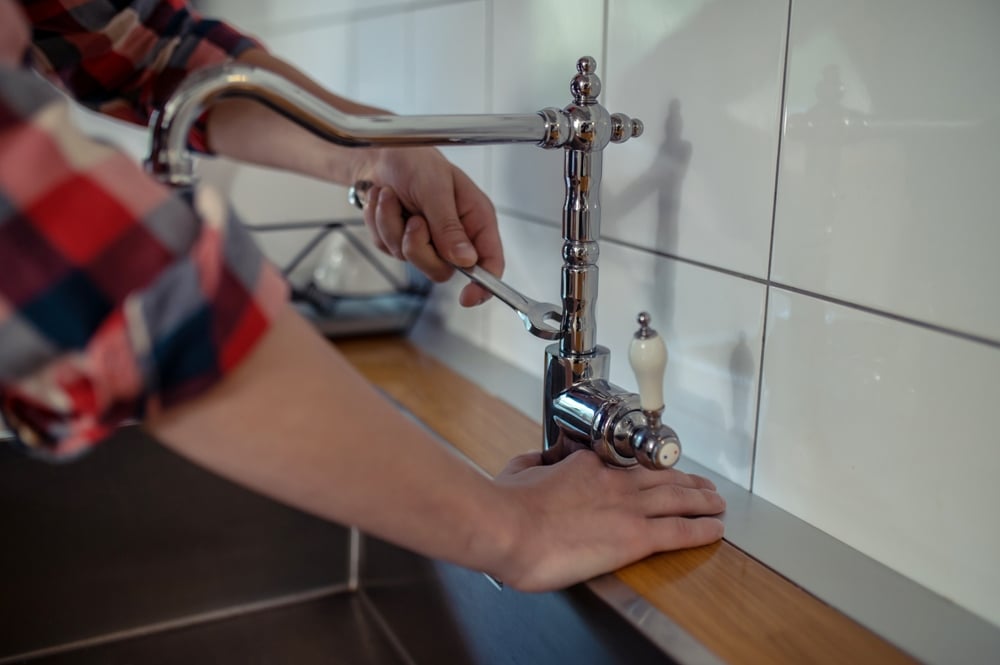
Don’t let your business get disrupted by a lack of hot water. Schedule an appointment with JAM Service Company today.

All business owners have probably heard the term, but what does commercial plumbing entail? It might seem similar to residential plumbing at first, but if you peel back the layers a bit, you’ll find there’s much more to it.

Commercial plumbing involves larger, more complex systems designed to meet the demands of businesses, whether it’s managing higher water volumes, supporting specialized equipment, or ensuring compliance with stricter codes and regulations. From office buildings to industrial facilities, commercial plumbing is the backbone of functional and efficient business operations, ensuring everything flows smoothly—literally.

Let’s dive a bit deeper into what commercial plumbing is and how it differs from residential plumbing.

Types of Commercial Plumbing Services 

Commercial Plumbing Installation 

Installing plumbing systems in commercial buildings requires precision, expertise, and adherence to strict codes. Whether it’s laying down new pipes, installing fixtures, or setting up water systems, this service ensures that businesses have a reliable plumbing foundation to meet their needs. Commercial plumbing installation is tailored to the scale and complexity of the facility, from small offices to large industrial buildings. 

Commercial Plumbing Repair 

When plumbing issues arise, fast and effective repairs are crucial to minimize disruptions to business operations. Commercial plumbing repair services address everything from leaky pipes and malfunctioning fixtures to major system breakdowns. With professional expertise, these repairs restore functionality and prevent further damage to the property. 

Commercial Water Heaters 

Businesses depend on reliable hot water systems for day-to-day operations. Commercial water heater services include installation, maintenance, and repair of large-capacity systems to ensure efficiency and consistency. Whether it’s for a restaurant, hotel, or industrial facility, keeping water heaters in top shape is essential for smooth operations. 

Drain Cleaning 

We probably don’t have to tell you that clogged drains can disrupt business activities and lead to costly downtime. Commercial drain cleaning removes blockages caused by grease, debris, or other buildup, restoring proper water flow. Regular maintenance helps prevent future clogs and keeps the plumbing system running efficiently. 

Drain Repairs 

Damaged or broken drains can cause water backups and structural damage if not addressed promptly. Drain repair services fix issues such as cracks, leaks, or collapsed pipes, ensuring the system operates smoothly. These repairs are essential for maintaining a safe and functional environment in commercial spaces. 

Backflow Preventers and Testing 

Backflow preventers are critical for protecting potable water supplies from contamination. Professional backflow testing ensures these devices function properly and comply with local regulations. Installing, maintaining, and repairing backflow preventers safeguards public health and keeps businesses in compliance with safety standards.

Leak Detection Systems 

Undetected leaks can lead to water waste, property damage, and increased utility costs. Commercial leak detection systems use advanced technology to identify leaks quickly and accurately. Early detection allows for timely repairs, preventing more extensive damage and saving businesses money. 

Water Meters 

Accurate water metering is essential for managing water usage and controlling costs in commercial buildings. Commercial water meter services ensure that meters are installed, calibrated, and maintained properly. This helps businesses monitor their consumption and identify inefficiencies. 

Gas Inspections 

For businesses using gas systems, regular inspections are vital for safety and compliance. Gas inspections identify leaks, ensure proper connections, and verify that the system meets regulatory standards. Professional inspections help prevent hazards and ensure reliable gas service for business operations. 

Emergency Commercial Plumbing Service 

Plumbing emergencies can bring business operations to a halt, making swift action critical. Emergency commercial plumbing services address urgent issues like burst pipes, major leaks, or severe clogs, minimizing downtime and preventing further damage. Available 24/7, these services provide peace of mind when businesses need it most. 

How Commercial Plumbing Differs From Residential Plumbing 

Commercial plumbing typically requires a different approach than residential plumbing does. Because commercial plumbing usually deals with projects of a much larger size and scope, it involves more complex systems designed to handle higher water usage and greater demand. These systems often include specialized components like industrial-grade fixtures, larger pipes, and high-capacity water heaters. 

There are also stricter codes and regulations that come with commercial plumbing jobs. Installing and repairing commercial plumbing systems requires commercial plumbers to adhere to these codes and regulations in order to ensure safety and functionality in public or high-traffic spaces. 

Finally, commercial plumbing will often demand faster turnaround times and greater durability. Businesses can’t afford prolonged downtime so repairs and installations must be efficient and minimize disruptions. Additionally, the materials and systems used in commercial plumbing are typically built to withstand heavy, continuous usage to ensure long-term reliability.

Finding a Commercial Plumber in New York City 

There are lots of commercial plumbers out there, but they’re not all built the same. They all have varying levels of experience, expertise, and specialties, and they might even have different ways of accomplishing similar projects. This makes it important to find the commercial plumber that can best meet your unique needs. 

So, what should you look for in your commercial plumber? Start by considering their experience with projects similar to yours. A plumber who has worked on large-scale commercial systems or unique setups, like those in high-rises or industrial facilities, will bring valuable expertise to the table. Check for proper licensing and certifications to ensure they meet New York City’s stringent codes and regulations. 

Finally, evaluate their reputation for reliability and responsiveness. In a city that never sleeps, you need a plumber who can handle emergencies, provide timely service, and minimize disruptions to your business. 

Schedule NYC Commercial Plumbing Services With JAM Service Company 

Get started today with JAM Service Company! We provide businesses across the Five Boroughs of New York City with exceptional solutions to their commercial plumbing needs. We’ve seen it all, and we’ve fixed it all, so you can count on us to handle any challenge with professionalism and expertise. 

Whether you need routine maintenance, emergency repairs, or a complete system installation, our team is ready to deliver efficient, reliable service tailored to your business. Contact us today to schedule an appointment for commercial plumbing services in Manhattan, Brooklyn, The Bronx, Queens, and Staten Island.